Why the Other Checkout Line Always Seems to Move Faster
A fun bit of math tutoring in Green Bay: the real probability in everyday life behind grocery store lines, and why picking the fastest one is tougher than it…
A fun bit of math tutoring in Green Bay: the real probability in everyday life behind grocery store lines, and why picking the fastest one is tougher than it seems.
Introduction
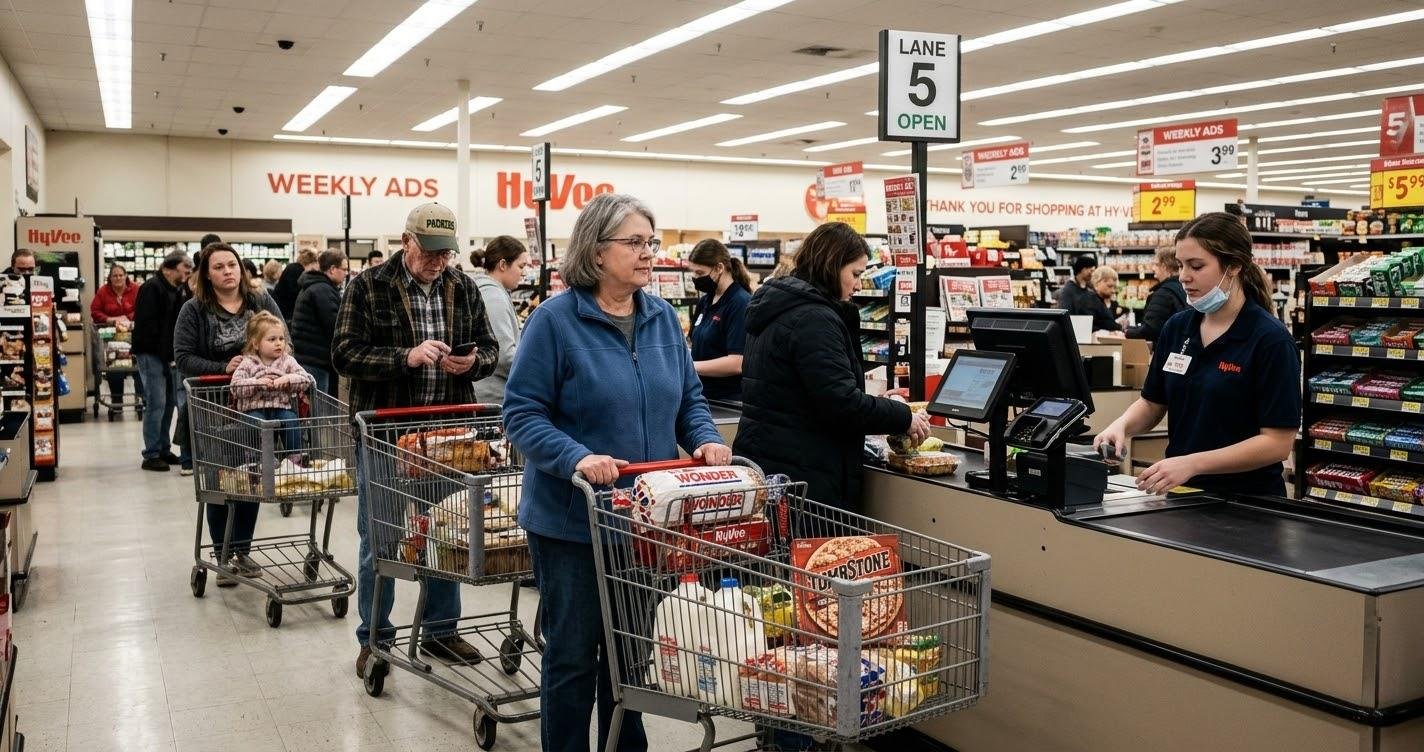
Every grocery run in Green Bay has this moment: you pick a line, and the one next to you flies by instead. Turns out, there’s real math behind why that keeps happening, and it’s a favorite example in our math tutoring in Green Bay sessions.
It's Not Bad Luck, It's Queueing Math
There’s an entire branch of math dedicated to lines and waiting, called queueing theory, and it was actually invented to manage phone calls, not groceries.
The field traces back to Agner Krarup Erlang, an engineer who in 1909 was trying to figure out how many phone lines a city switchboard actually needed, long before anyone used the math to explain grocery store frustration.
Erlang’s original question was about phone calls getting dropped when every line was busy. More than a century later, the same equations get used to design everything from hospital waiting rooms to the checkout layout at a Green Bay grocery store, all built around the same core idea: predicting how long a wait will be based on how fast people get served.
The same math decides how many registers a store actually needs open at once. Too few, and wait times balloon out of control. Too many, and most registers sit empty most of the day, which is its own kind of waste the math is built to avoid.
Why One Big Line Beats Several Small Ones
A single line feeding multiple registers is mathematically faster, on average, than several separate lines, which is exactly why banks and airports use it.
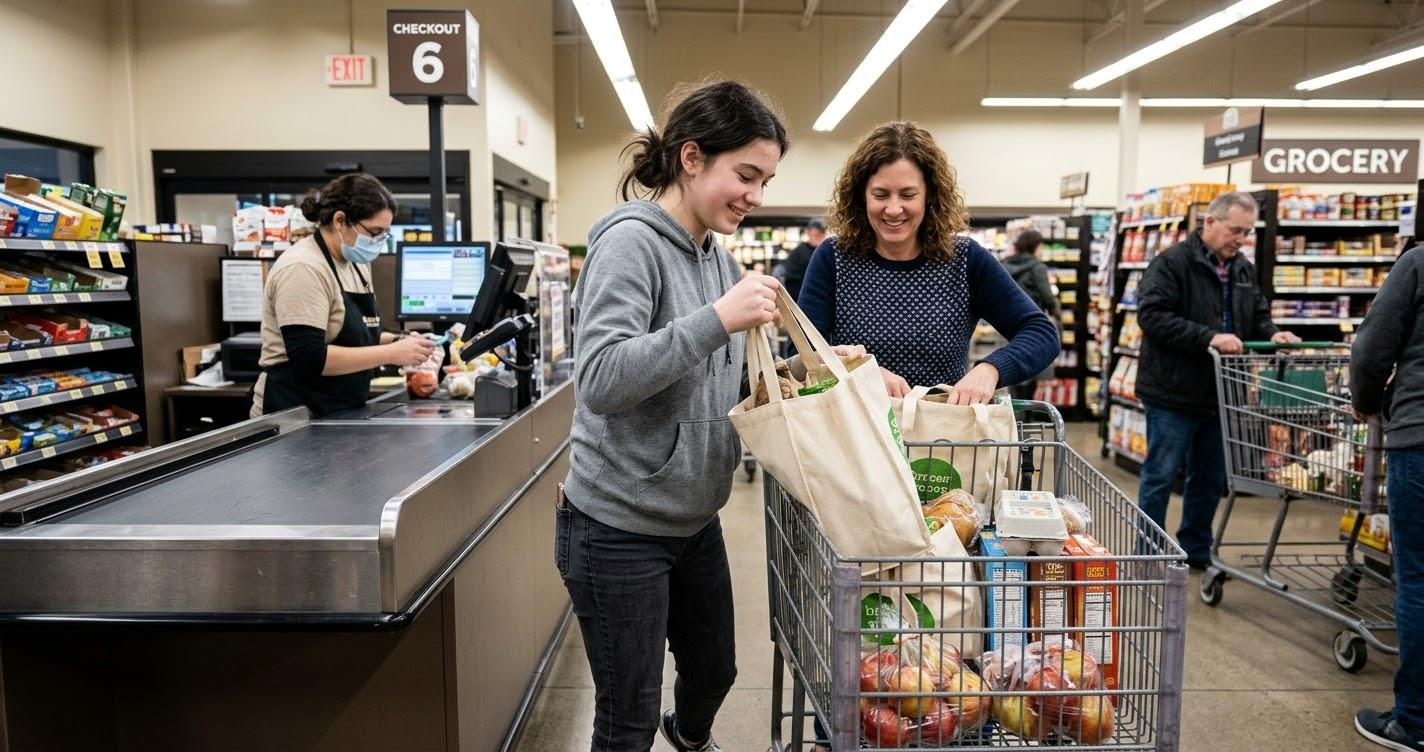
With separate lines, one slow transaction can trap everyone behind it. With a single line splitting off to the next open register, no one gets stuck behind someone else’s extra-long coupon stack. The math behind this is called Little’s Law, and it’s one of the cleanest, most useful equations in the entire field: the average number of people waiting equals the average wait time multiplied by the rate people arrive.
The Real Math Behind Feeling Slower
If there are five checkout lines, there’s only a 1-in-5 chance you happened to pick the fastest one, which means there’s a 4-in-5 chance you'll end up watching another line move quicker.
That's basic probability in everyday life, not bad luck following you around the store.
It’s a small example, but it’s exactly the kind of high school math help that makes probability feel real instead of abstract, and it’s the kind of connection we build into regular sessions so a formula on paper turns into something a student actually notices happening around them.
The Bottom Line
The slow line isn’t bad luck, it’s basic probability playing out in real time, and it’s exactly the kind of everyday example we lean on in math tutoring in Green Bay to make a formula feel real instead of abstract.