The Real Math Behind Buying a Car or Planning Prom
Real high school math help doesn’t stay in the classroom: see how percentages show up in car loans and prom budgets, and why this skill matters long-term.
Real high school math help doesn’t stay in the classroom: see how percentages show up in car loans and prom budgets, and why this skill matters long-term.
Introduction
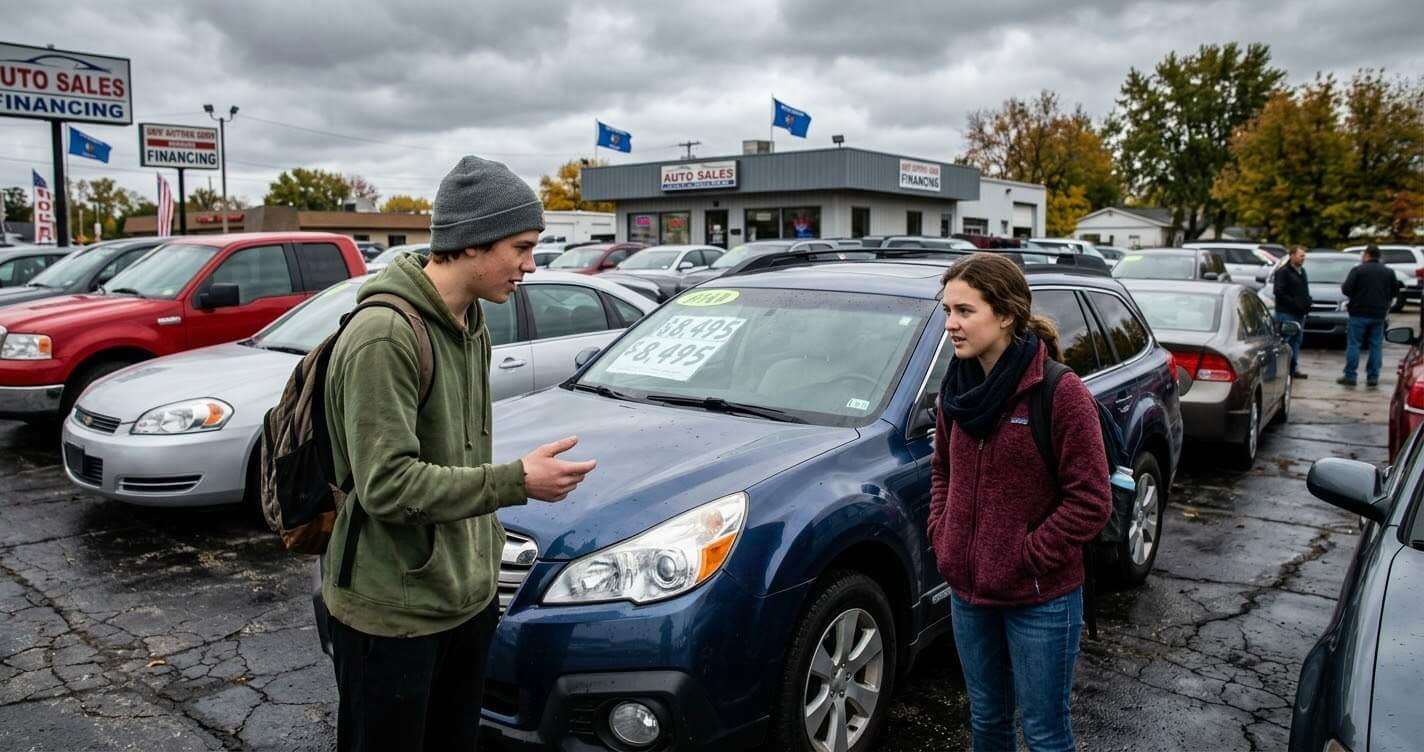
Two very different rites of passage. One math skill runs underneath both of them, and it’s a skill that shows up on far more report cards, and far more forms of high school math help, than it gets credit for.
Two Decisions, One Underlying Skill
Neither of these feels like “doing math” in the moment. A car purchase feels like an adult decision, and a prom budget feels like a fun one. But underneath both is the exact same skill: taking a number, breaking it into parts, and figuring out what each part actually costs relative to the whole. That’s percentages real life and proportional reasoning, whether or not anyone in the room is calling it that.
The Car Question: More Than Just the Sticker Price
A car’s real cost depends on loan interest, monthly payments, and insurance, all of which come down to percentages layered on top of each other.
A $12,000 car with a 7% interest rate over four years doesn’t cost $12,000. Working out the actual monthly payment means understanding how percentages compound over time, the exact skill covered in an Algebra 1 unit that gets a collective groan every year. Add insurance premiums, which shift based on age, driving record, and even the car’s safety rating, and the “simple” question of what a car actually costs turns into several stacked percentage problems happening at once.
The Prom Budget: Percentages Everywhere
Splitting a fixed budget across a dress or tux, tickets, dinner, and photos is a straightforward percentage allocation problem.

Say the budget is $300. Deciding that 40% goes to the outfit, 20% to tickets, 25% to dinner, and 15% to everything else is the same math as figuring out what percentage of a test grade came from each section, just with better decorations attached. Add a discount code or a group rate for a limo split five ways, and now there are two or three percentage calculations stacked into one decision, which is exactly the kind of multi-step problem that trips students up on a test.
The Math Skill Both of These Actually Use
Percentages and proportional reasoning, one of the most practical skills in the entire high school math curriculum.
It’s easy to treat percentages as a chapter to get through before the test. In practice, it’s one of the first math skills that shows up constantly once school is over, tips, discounts, taxes, loans, raises. Students who get genuinely comfortable with budgeting math in high school tend to feel a lot less lost the first time they’re staring at a real loan offer or a real budget, instead of just hoping the numbers work out.
Crux of the Matter
This is one of those topics we come back to more than once, because it never really finishes being relevant. A student who’s solid on this kind of high school math help in tenth grade is the same student who won’t get blindsided by a credit card statement or a lease agreement a few years later, whether or not they ever set foot in math tutoring in Green Bay for it.