The Math Habit That Separates Struggling Students From Confident Ones
What good math tutoring in Green Bay looks for first: the one consistent habit that builds real math confidence, and how to start building it this week.
What good math tutoring in Green Bay looks for first: the one consistent habit that builds real math confidence, and how to start building it this week.
Introduction
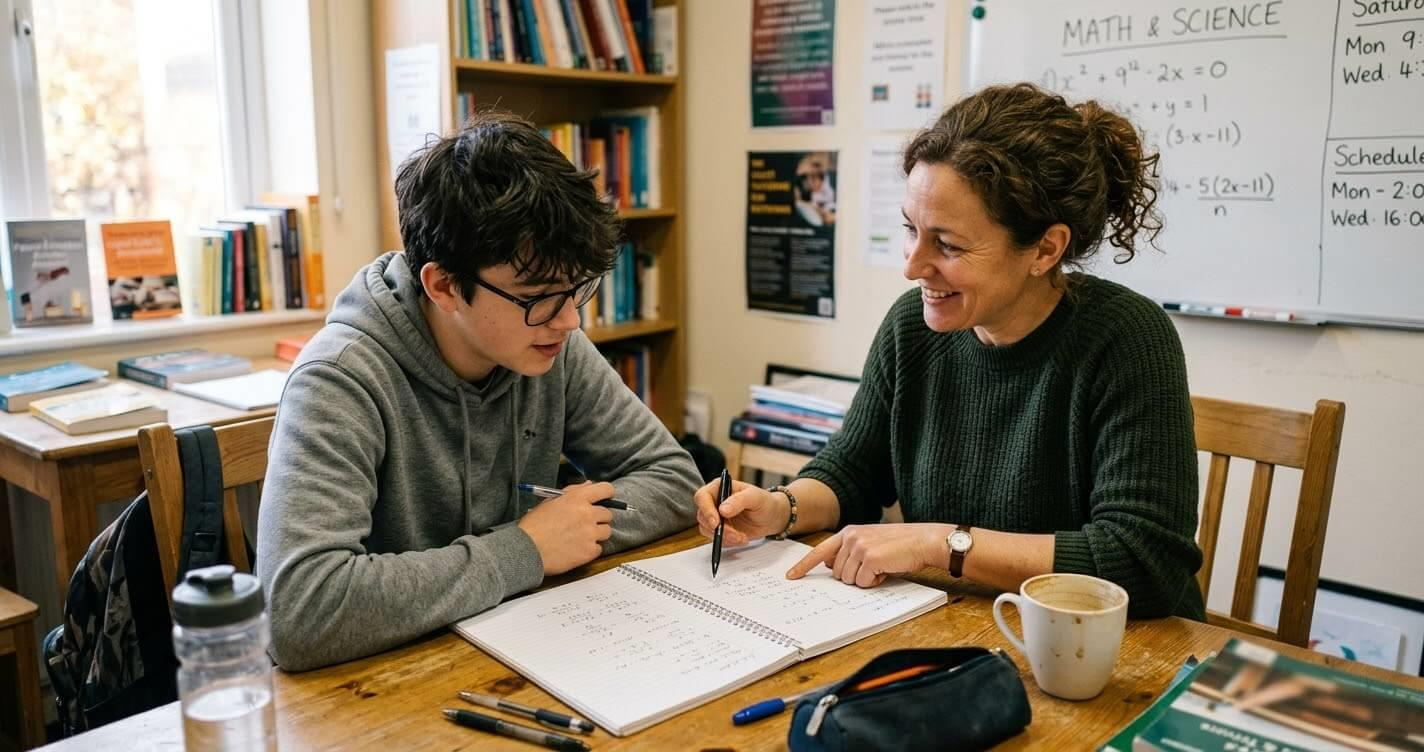
We’ve worked with a lot of students over the years, through math tutoring in Green Bay and beyond, and there’s one pattern that shows up again and again, and it has almost nothing to do with natural talent. It shows up so consistently, in fact, that it’s usually the first thing we look for when a new student walks in.
The Question We Get Asked Most
“Is my kid just not a math person?” comes up constantly, usually from a worried parent after a rough report card. Almost every time, the honest answer is no. What we’re usually looking at instead is a gap that built up quietly over time, and a habit that, once it’s in place, closes that gap faster than most people expect.
It’s Not Talent. It’s Consistency.
Students who review math in small, regular amounts consistently outperform students who cram, because math builds on itself in a way most subjects don’t.
A history test covers a chapter. A math test quietly covers everything that came before it too. Skip reviewing for two weeks, and the gap doesn’t just sit there, it grows, because next week’s lesson is usually built directly on top of whatever got missed.
What We Notice Every Week
The students who improve the fastest aren’t always the ones who “get it” quickest, they’re the ones who show up consistently and aren’t afraid to ask why something works.
We see this constantly: a student who was quietly behind in September catches up to, and sometimes passes, students who started ahead, simply because they kept showing up and kept asking questions instead of just copying down steps. It’s rarely the flashiest students who end up the most confident by spring, it’s the steady ones.
The Habit, Broken Down
Short, regular review sessions, explaining the reasoning out loud instead of just the answer, and actually revisiting mistakes instead of glossing over them.
None of this requires hours a day. Fifteen focused minutes, a few times a week, spent explaining a concept rather than just doing more problems, tends to move the needle faster than an entire weekend of last-minute cramming before a test. And revisiting an old mistake, actually figuring out where the reasoning went wrong instead of just correcting the number, tends to be worth more than ten new practice problems.
How to Start This Habit This Week
Pick one topic from the last two weeks, explain it out loud like you’re teaching it to someone else, and see where the explanation gets shaky.
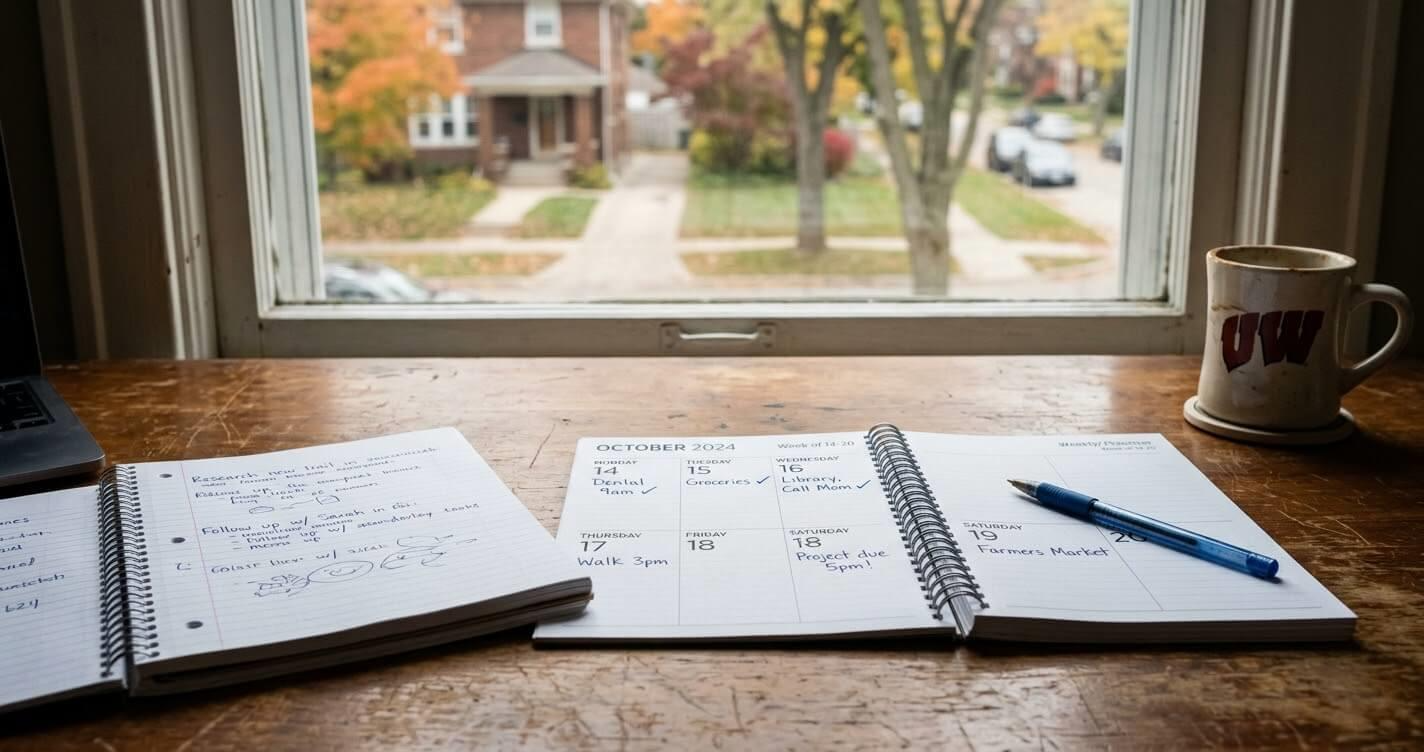
That shaky spot is exactly where the real gap is. It’s also exactly the kind of thing we spend our sessions finding and fixing, before it turns into a bigger problem down the road. It’s a small habit, but it’s the one we’d bet on over raw talent every single time, and it’s the foundation of every good study habits for math routine we build with students. Whether that happens on your own at the kitchen table or through math tutoring in Green Bay, the high school math help that actually sticks almost always starts with this exact habit.