High School Math Help: 5 Real Places
Looking for real high school math help? See where algebra actually shows up in everyday life and why it matters more than students think.
Algebra Shows Up
Looking for real high school math help? See where algebra actually shows up in everyday life and why it matters more than students think.
Introduction
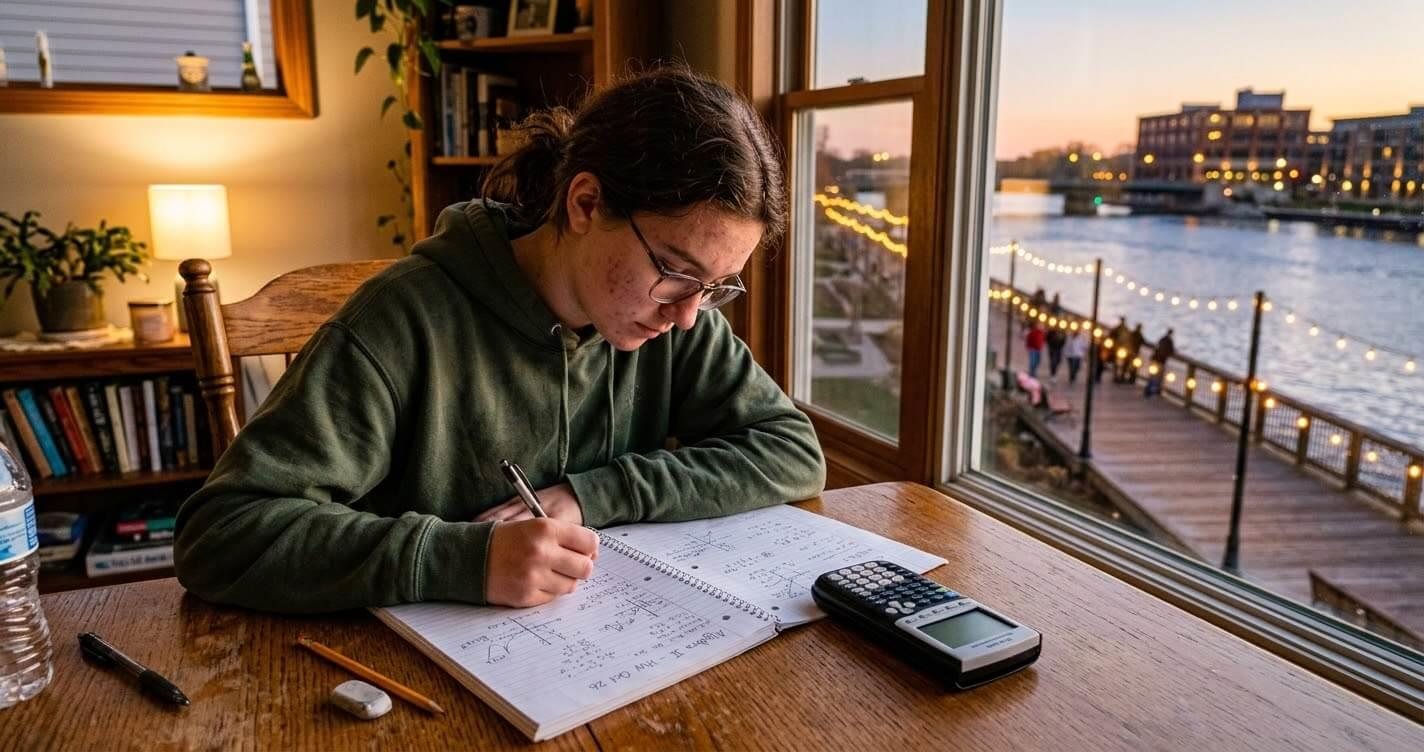
Ask ten high schoolers why algebra matters, and at least eight will shrug. We hear it almost every week, usually right before someone asks why they need to solve for x when they’ll “never use this in real life.” Fair question. Except algebra shows up in more places than most people realize, often somewhere you’d never expect. Here are five of our favorites, the kind of examples we point out to students who need a reason to care about high school math help beyond just passing a test.
Grocery Store Math (Yes, Really)
Every time you compare unit prices at the store, you’re solving a basic algebra problem in your head.
Figuring out whether the bigger bag of chips is actually the better deal, or whether a “buy one, get one half off” sale beats a flat 25% discount, both come down to setting up a simple equation and comparing two sides. Your parents have been doing algebra in the cereal aisle for years without ever calling it that. Even something as small as splitting a grocery bill evenly between roommates or figuring out how many boxes of pizza rolls you need for a party of twelve uses the exact same reasoning skills as a word problem, just with better snacks attached.
Video Game Loot Drops
That “rare item drop rate” in your favorite game is probability and algebra working quietly behind the scenes.
Game designers set exact percentages for how often a rare sword or skin shows up, then balance dozens of these odds against each other so the game feels fair but still exciting. It’s the same math as flipping a coin, just dressed up in a much cooler outfit. If a drop rate is listed as 2%, that's not a vague guess, it’s a precise probability calculation the developers ran hundreds of times before locking it in, the same way a statistics chapter walks through expected outcomes over repeated trials.
Planning a Trip to Lambeau
Figuring out gas money, drive time, and how many people can fit in the car for game day is algebra in disguise.
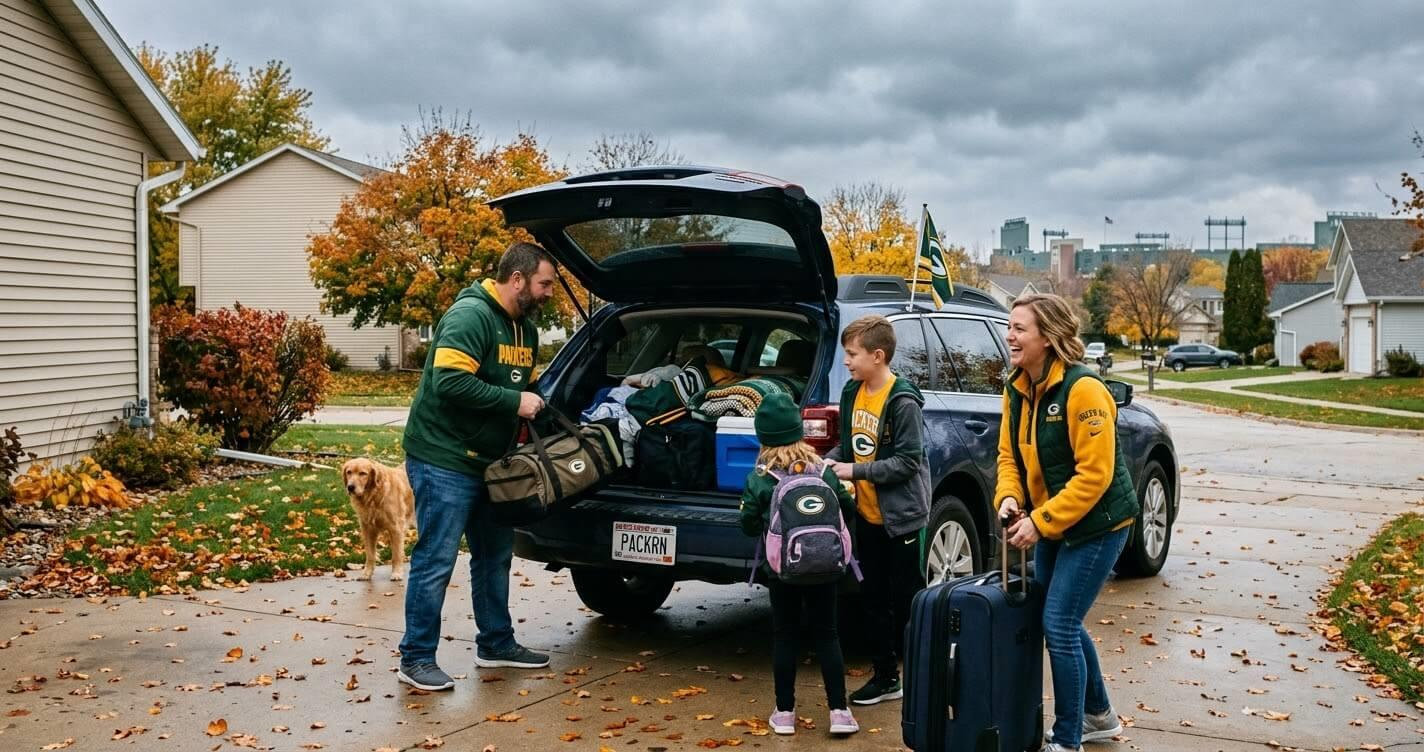
Split gas costs evenly, calculate how early you need to leave to make kickoff, budget for parking and a bratwurst or two: it’s all proportional reasoning, the same skill behind solving for x. Even deciding whether it’s cheaper to drive separately or carpool for a group of eight comes down to setting up a ratio and comparing totals, which is exactly the kind of problem that shows up on an Algebra 1 test dressed up as “train A leaves the station.”
Sports Stats You Argue About
Every stat that starts a debate, QB rating, batting average, win probability, comes from an algebraic formula.
Next time a stat gets thrown around during a Packers game to prove someone right, remember it was built from the exact kind of equation showing up on this week’s homework. A batting average is just hits divided by at-bats. A quarterback rating is a longer formula, but it’s still built from the same operations: multiplication, division, and a lot of careful weighting, no different in principle from balancing an equation on paper.
Crux of the Matter
None of this means algebra is secretly thrilling every single day. But it does mean the skill sticks around long after the test is graded. If your student is only seeing the worksheet version of algebra and not the “oh, that’s actually useful” version, that’s usually the gap we work on first when a new student starts with us. Once a student sees where a concept actually shows up outside the classroom, the classroom version tends to make a lot more sense too. A little consistent algebra help at the right moment, the kind built into real high school math help, usually does more than another round of worksheets ever could, whether that happens at home or through math tutoring in Green Bay.